
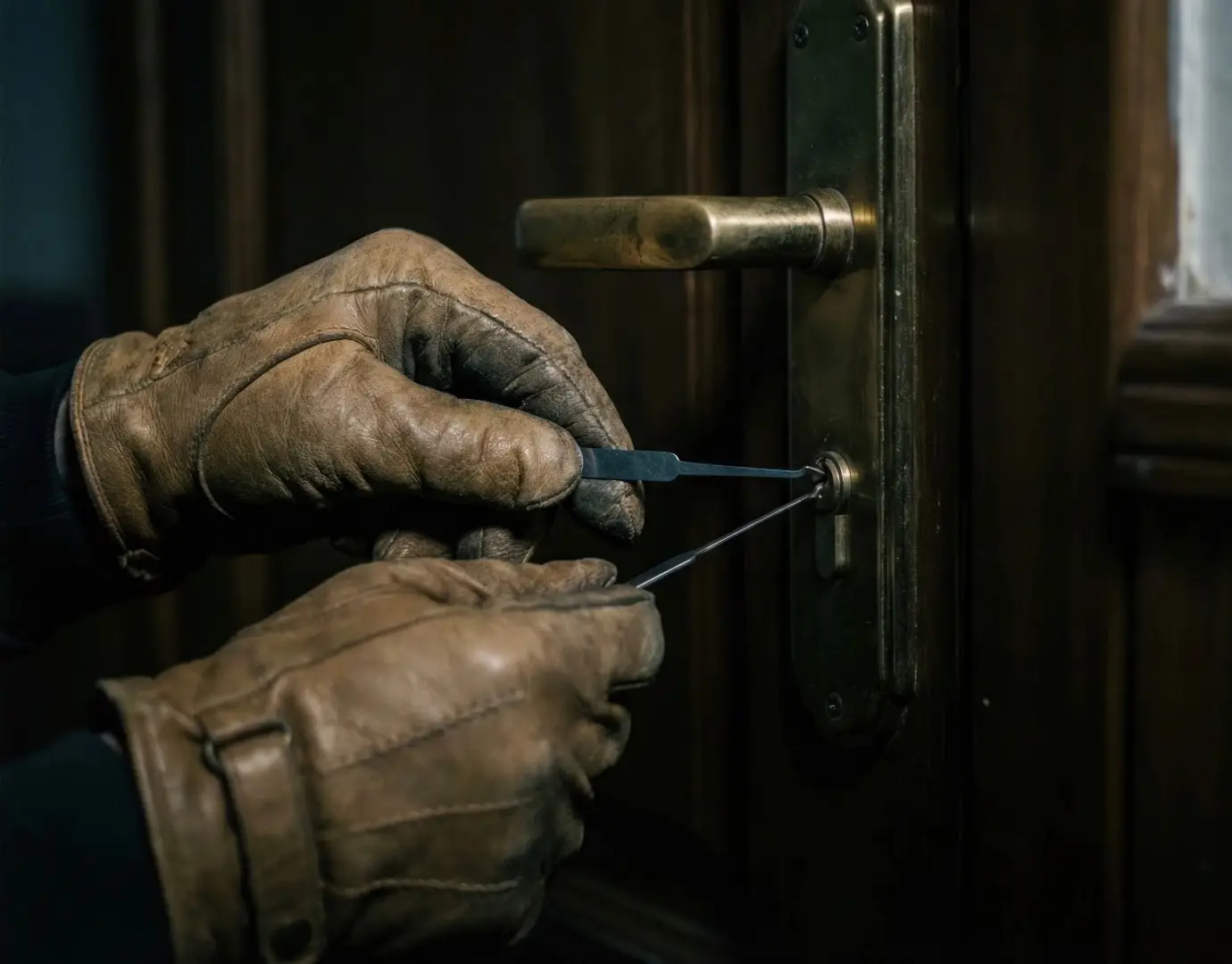
If you have been charged with breaking and entering in North Carolina, you may not be sure how serious the situation is. Many people are surprised to learn that these charges are often treated as felonies, even when nothing was taken.
Breaking and entering cases can quickly become more complicated when they are connected to other offenses, such as theft or property crimes. Understanding how these charges work is an important step in evaluating your case and what may happen next.
What Is Breaking and Entering in North Carolina?
Breaking and entering generally involves entering a building or structure without permission. Despite the name, “breaking” does not always mean forceful entry. Even opening an unlocked door or window without permission may qualify.
These cases typically focus on two elements:
- Entry into a building or structure
- Lack of permission to enter
In many situations, prosecutors will also try to show that the entry was made with the intent to commit a crime inside.
Is Breaking and Entering a Felony in North Carolina?
A common question is whether breaking and entering is always a felony. The answer depends on the circumstances.
Some cases are charged as misdemeanors, particularly when there is no intent to commit another crime. However, many cases are charged as felonies, especially when prosecutors believe the entry was made with criminal intent.
Because of this, the same type of conduct can lead to very different charges depending on how the case is presented.
When Breaking and Entering Becomes a Felony
Breaking and entering is more likely to be charged as a felony when certain factors are present.
Intent to Commit a Crime
One of the most important factors is whether there was intent to commit a crime inside the building. This could include theft, vandalism, or other offenses.
Even if no crime was completed, the intent alone may be enough to support a felony charge.
Connection to Theft or Property Crimes
If breaking and entering is connected to larceny in North Carolina, the charges may become more serious.
For example, if property is taken after entering a building, additional charges such as larceny may be filed.
Type of Building Involved
The type of structure involved can also affect how the case is charged. Entering a residence or occupied building may lead to more serious charges than entering a non-residential structure.
Breaking and Entering vs Burglary
Breaking and entering is often confused with other theft-related offenses, but it is not the same as burglary.
Burglary typically involves unlawful entry into a dwelling at night with the intent to commit a crime. It is generally considered a more serious offense and is almost always charged as a felony.
Breaking and entering can apply more broadly and may include situations that do not meet the legal definition of burglary.
For a more detailed breakdown of how these charges compare, see larceny vs robbery vs burglary in North Carolina.
Understanding the difference between these charges is important because it affects both the classification of the case and potential penalties.
What Are the Penalties for Breaking and Entering?
Penalties for breaking and entering vary depending on whether the charge is classified as a misdemeanor or felony.
Felony charges may carry:
- Prison time
- Probation
- Fines and restitution
Misdemeanor charges may still result in jail time, probation, or other penalties.
The outcome of a case depends on several factors, including prior record, the nature of the alleged conduct, and whether additional charges are involved.
How These Cases Are Handled in Western North Carolina
In Western North Carolina, including Buncombe, Haywood, Jackson, Macon, and Graham counties, breaking and entering cases are often handled alongside related charges such as larceny or property damage.
Local practices may influence how cases are charged, negotiated, and resolved. Factors such as the specific facts of the case and the individual’s prior record can play a significant role.
Because these cases often involve multiple charges, they can become more complex than they initially appear.
Can Breaking and Entering Charges Be Reduced?
In some situations, breaking and entering charges may be reduced or resolved in a way that avoids the most serious consequences.
Possible outcomes may include:
- Reduction to a misdemeanor
- Negotiated plea agreements
- Dismissal based on lack of evidence
Whether a case can be reduced depends heavily on the facts and how the case is handled early on.
How Breaking and Entering Charges Connect to Other Offenses
Breaking and entering is often not the only charge in a case. It is commonly paired with other offenses, which can increase the overall severity.
These may include:
- Larceny or possession of stolen goods
- Property damage
- Trespassing-related offenses
In some situations, these related charges may rise to the level of felony larceny in North Carolina, depending on the value of the property and the circumstances involved.
For this reason, it is important to look at the full picture rather than focusing on a single charge.
Do You Need a Lawyer for Breaking and Entering Charges?
Breaking and entering charges can carry serious consequences, especially when they are charged as felonies or combined with other offenses.
Because these cases often involve multiple charges, it is important to understand how they fit together. A theft defense lawyer in Western North Carolina can evaluate the full situation and identify potential defenses.
Early legal guidance can make a difference in how a case is handled and what options may be available.
Frequently Asked Questions
Is breaking and entering always a felony in North Carolina?
No. Some cases are charged as misdemeanors, but many are treated as felonies depending on intent and circumstances.
Do you have to break something to be charged?
No. Opening an unlocked door or entering without permission can still qualify.
What is the difference between burglary and breaking and entering?
Burglary usually involves unlawful entry into a dwelling at night with intent to commit a crime, while breaking and entering applies more broadly.
Can charges be reduced or dismissed?
In some cases, yes. This depends on the facts and how the case is handled.